Vocal Health
Vocal Fatigue: A Daily Routine for Singers and Actors
By Juliana Polansky · November 11, 2026 · 5 min read
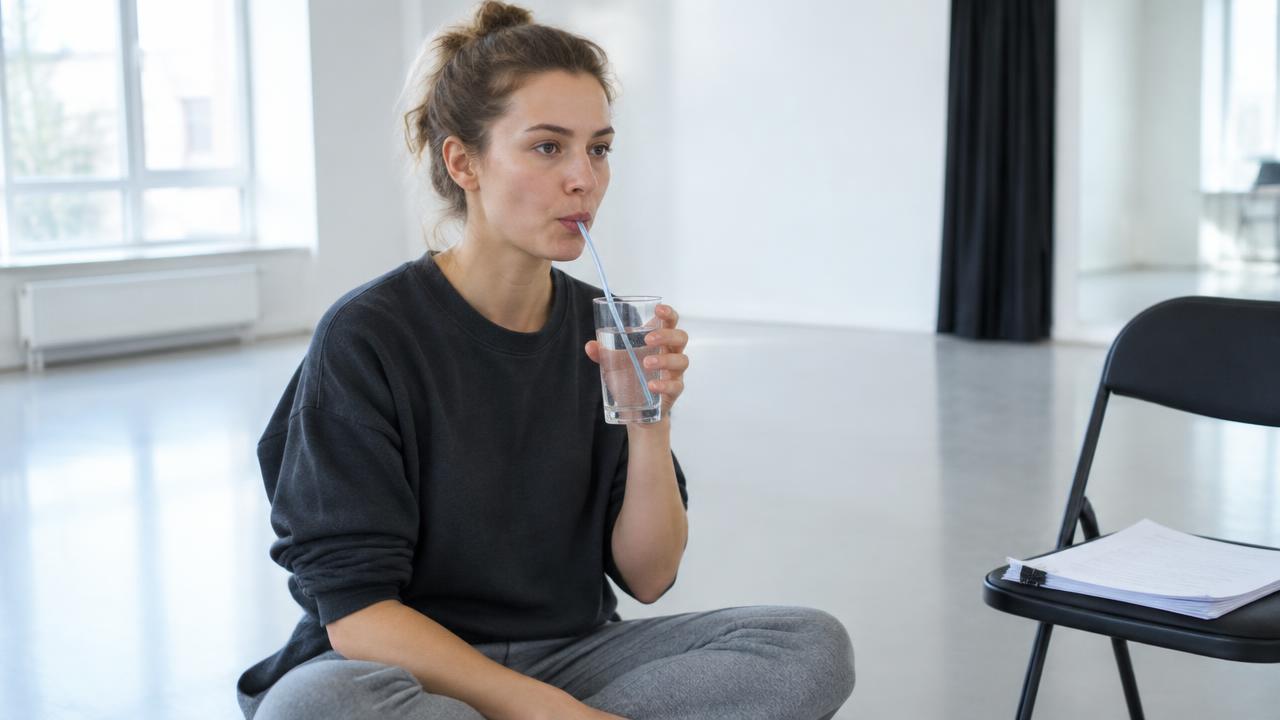
Vocal fatigue rarely arrives in a single dramatic moment. More often it accumulates: a long rehearsal, a loud dinner, a day of phone calls, then another rehearsal. By Friday the top of the range feels heavier and soft singing has become unreliable. I work with many performers whose voices carry both singing and speaking loads, and I find that a short, consistent daily routine does more to protect stamina than any single remedy. This is the approach I use, with the clear caveat that persistent symptoms need medical evaluation, not more exercises.
What causes vocal fatigue in singers?
Fatigue usually reflects total vocal load rather than singing alone. Speaking over noise, long stretches of loud phonation, dehydration, poor sleep, and illness all add up. Technique matters too: pressing the vocal folds together harder than needed or pushing breath pressure to get volume will tire the voice faster than a balanced coordination.
I ask students to look at the whole day, not only the hour they sing. A singer who is careful in rehearsal but shouts across a café afterward often feels the cost the next morning. Reducing unnecessary load is the simplest stamina tool available.
What are the early signs of vocal fatigue?
The first signs are often subtle. Soft onsets become harder to find, and quiet high notes start with air or a crack. The voice may take longer to warm up. Some singers feel a sense of effort in the throat that was not there earlier in the week. These signs suggest it is time to reduce load, not to push through.
Warning signs are different: pain, hoarseness lasting more than a day or two of rest, a sudden loss of range, or a voice that will not produce soft sound at all. Those call for an evaluation by a laryngologist or voice-specialized speech-language pathologist before further training.
- Harder soft onsets and fuzzy quiet notes.
- Longer warm-up time than usual.
- Pain or lasting hoarseness: get evaluated.
A ten-minute daily routine for vocal stamina
I keep the routine short so it actually happens. Start with two minutes of gentle lip trills or straw phonation on comfortable glides; semi-occluded exercises like these let the folds vibrate with less effort. Follow with three minutes of soft sirens through the middle range, keeping the sound easy rather than loud.
Then spend three minutes on a short scale pattern on a tall vowel, moving gradually upward and stopping before strain. Finish with two minutes of speaking a line from your current role or song on a relaxed, supported pitch. The goal is to wake the coordination, not to test the limits.
- Two minutes of straw or lip-trill glides.
- Three minutes of soft sirens.
- Three minutes of an easy scale pattern.
- Two minutes of relaxed spoken text.
How to manage a heavy rehearsal week
During demanding weeks I suggest marking in rehearsal when the director allows it, saving full voice for runs that need it. Hydrate steadily across the day rather than drinking a lot just before singing. Plan brief periods of vocal rest between calls, which means not filling breaks with talking.
After rehearsal, a few minutes of straw phonation and gentle humming can help the voice settle. Sleep is part of the plan. A voice that rests well recovers faster than one that relies on lozenges and willpower.
Keeping stamina when you train online
Working performers often fit lessons around tours, filming, and rehearsal schedules, and singers in San Diego or anywhere outside my in-person areas can do this work with me online. The advantage of online coaching here is flexibility: we can schedule a shorter technical check during a heavy week rather than a full lesson, and focus on efficiency rather than adding load.
In those sessions I listen for the early fatigue signs above and adjust the week’s plan. Sometimes the most useful lesson is the one where we decide to sing less.
Juliana Polansky recommends: For one week, note every situation where you used your voice loudly or for a long time. Most singers find at least one load they can easily reduce.
Training from a distance? How online vocal coaching works

About the author
Juliana Polansky
Vocal coach specialising in classical technique and musical theatre, teaching private lessons online and in person by request in Southern California.
If you are working through similar vocal concerns, preparing for an audition, or have specific goals for your voice, you are warmly welcome to reach out — we can start with a private diagnostic consultation.