Musical Theatre
Tech Week Without Wrecking Your Voice: Marking and Pacing
By Juliana Polansky · November 7, 2026 · 7 min read
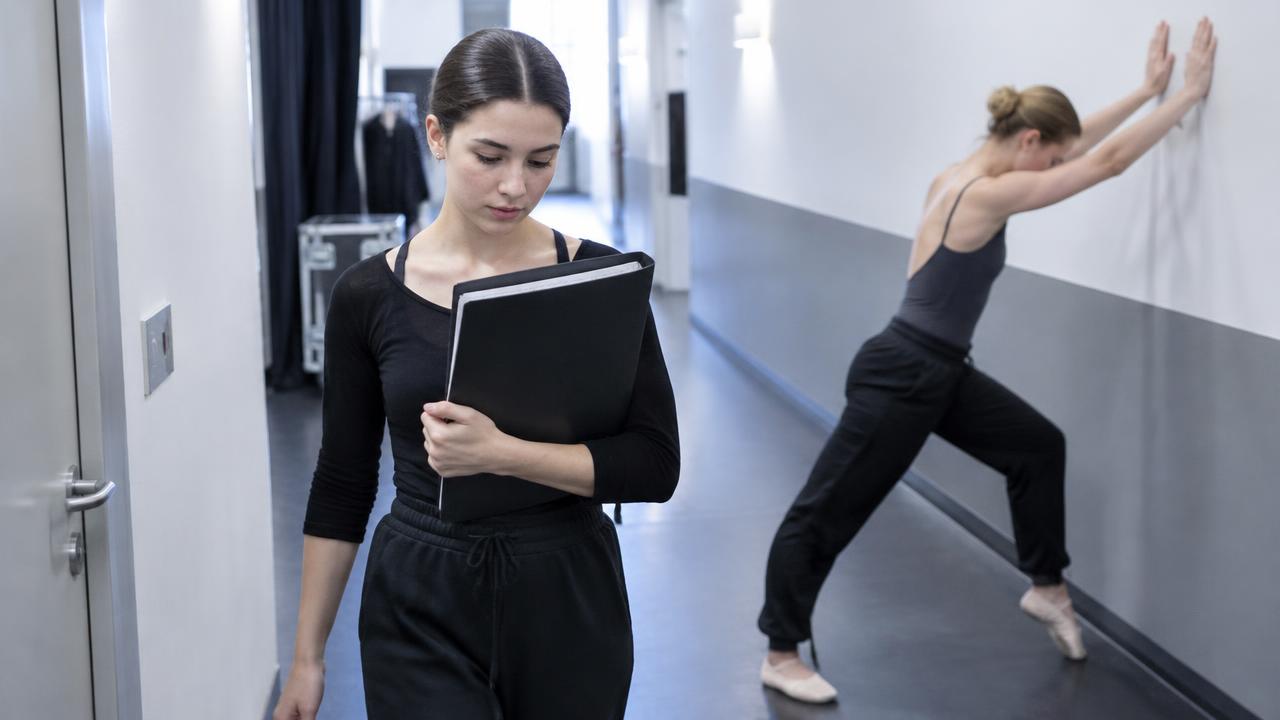
I treat the week before opening as a vocal scheduling problem, not a test of commitment. A run has a relatively predictable workload; tech week adds repeated entrances, interrupted songs, late finishes, and conversations across a noisy theater. Singers can spend their voice before the audience arrives. The useful question is not whether you can sing everything today. It is which moments need your full voice today, which can be marked, and how you will recover before tomorrow. I tell my students to make those decisions before rehearsal starts, then revise them with the production team when the schedule changes. Here is how I approach marking, full-voice rehearsals, warming down, and the first signs that the plan needs to change.
How to mark a song without whispering or silently mouthing
Marking means singing a deliberately reduced version of the material while preserving the information the rehearsal needs. I usually keep rhythm, entrances, text, and musical intention clear, but reduce intensity and simplify demanding passages. A sustained high note might become a brief, comfortable note in an agreed lower octave. A climactic phrase might retain its timing without its performance-level weight. Marking should feel easy, not like holding back a powerful sound against a tight throat. If the quieter version takes more effort, it is not serving its purpose.
I do not use whispering or silent mouthing as substitutes for sung marking. Whispering is not automatically restful, and silent mouthing gives the music team no audible pitch or phrasing information. Instead, choose an easy, speech-like sung sound in a comfortable range, without forcing breathiness. Tell the music director exactly what you are changing so an octave adjustment is not mistaken for an error. If a cue requires the real pitch or intensity, sing that specific passage as agreed, then return to marking. Separate physical staging work from vocal work whenever the task allows.
When to sing full voice during tech rehearsals
A full-voice run should answer a production question: Can you coordinate the score, staging, costume, amplification, and recovery between numbers? It should not happen automatically every time someone says to start again. Before the week begins, I recommend identifying which rehearsals genuinely need performance-level singing and where marking is acceptable. Coordinate that plan with the director and music team rather than quietly changing the score. Put the most demanding singing where it can be followed by recovery, and avoid stacking optional full-voice runs on consecutive days.
The hidden workload is often repetition within one rehearsal. Singing a difficult entrance several times for lighting can cost more than singing it once in sequence. I keep track of those repetitions, not just complete runs. When a technical adjustment does not require full vocal output, ask whether a marked cue will do. When sound balance does require representative singing, supply the agreed passage rather than repeating the whole number. Avoid solving a loud backing track by singing harder; ask for a level or monitor adjustment before effort starts creeping upward.
- Agree on full-voice passages before rehearsal.
- Count repeated sections as vocal work.
- Request usable track and monitor levels.
A day-by-day vocal pacing plan for tech week
Here is a sample plan for a Sunday opening, not a quota to complete regardless of symptoms. Monday: walk the staging, mark songs, and identify demanding cues. Tuesday: mark during technical stops; give only the brief full-voice passages needed for sound checks. Wednesday: schedule one coordinated full-voice run if you are comfortable and recovering normally, then skip extra singing afterward. Thursday: return to marking for notes and technical fixes, reserving full voice for specific checks that cannot be done another way. Warm down gently after each rehearsal rather than saving recovery habits for the weekend.
Friday: use the dress rehearsal as the next planned performance-level run, with no separate full-voice practice beforehand. Saturday: prioritize technical fixes, easy marking, sleep, and quiet time; if a preview is scheduled, it replaces that lighter day rather than being added to it. Sunday: use a familiar, modest warm-up and save performance intensity for opening. Shift these labels to fit your actual calendar. If the production requires more complete runs, negotiate fewer repetitions elsewhere and reassess recovery each morning. A plan that leaves you progressively less comfortable needs revision, not greater determination.
- Treat previews as performances, not extra practice.
- Replace missed work; do not double it tomorrow.
- Revise the plan when recovery changes.
How to warm down and recover after rehearsal
I use a warm-down as a short transition out of demanding singing, not as a repair treatment. After each rehearsal, try a few easy lip trills, gentle humming, or comfortable descending patterns in the middle of your range. Keep the volume modest and stop while everything still feels easy. You do not need to explore your highest or lowest notes to prove they remain available. If singing already feels uncomfortable, skip the exercises and rest instead. A warm-down should never become another practice session or a reason to continue through symptoms.
Recovery is mostly ordinary behavior repeated consistently. Protect a realistic sleep window, drink water regularly rather than trying to catch up just before singing, and plan quiet time after rehearsal. I tell singers to move close before speaking instead of calling across a room, and to skip the loud post-rehearsal gathering when tomorrow's workload is heavy. Hydration supports normal function, but water does not instantly erase vocal fatigue. Keep backing tracks low enough that you can hear yourself without competing. A quieter practice environment often matters more than adding another vocal exercise.
How to handle a heavy-voice show and warning signs
For a show with repeated belts, sustained high singing, or dense ensemble writing, I map the demanding moments across the whole evening. Where can you reduce unnecessary speaking, avoid singing along backstage, and recover between scenes? Rehearse transitions and breathing choices without repeatedly delivering the climaxes. Discuss vocal demands with the music director before fatigue makes those conversations urgent. I do not recommend inventing a new belt coordination during tech week. Use established choices, request help with amplification, and agree on alternatives rather than making unapproved musical changes or trying to overpower the orchestra.
The moment something feels wrong, stop the demanding singing and tell the appropriate production contact. Pain, sudden hoarseness, unexpected breathiness, or a new loss of range is not a prompt to push through or test the top notes again. Sudden major voice change during forceful singing warrants prompt assessment by a laryngologist; do not sing while waiting for advice. If hoarseness, pain, breathiness, or range loss persists past a day of rest, see a laryngologist or voice-specialized speech-language pathologist before making further technique changes. Breathing difficulty requires urgent medical care. Coaching cannot diagnose a vocal injury.
- Stop rather than repeatedly testing the voice.
- Report changes early to the production team.
- Get qualified assessment for persistent symptoms.
Juliana Polansky recommends: Before your next rehearsal, circle three demanding passages in your score. Ask which require full voice today, write an agreed marking option beside the others, and schedule quiet time after you finish.

About the author
Juliana Polansky
Vocal coach specialising in classical technique and musical theatre, teaching private lessons online and in person by request in Southern California.
If you are working through similar vocal concerns, preparing for an audition, or have specific goals for your voice, you are warmly welcome to reach out — we can start with a private diagnostic consultation.