Auditions
Preparing a Musical Theatre Audition Song in 48 Hours
By Juliana Polansky · November 12, 2026 · 5 min read
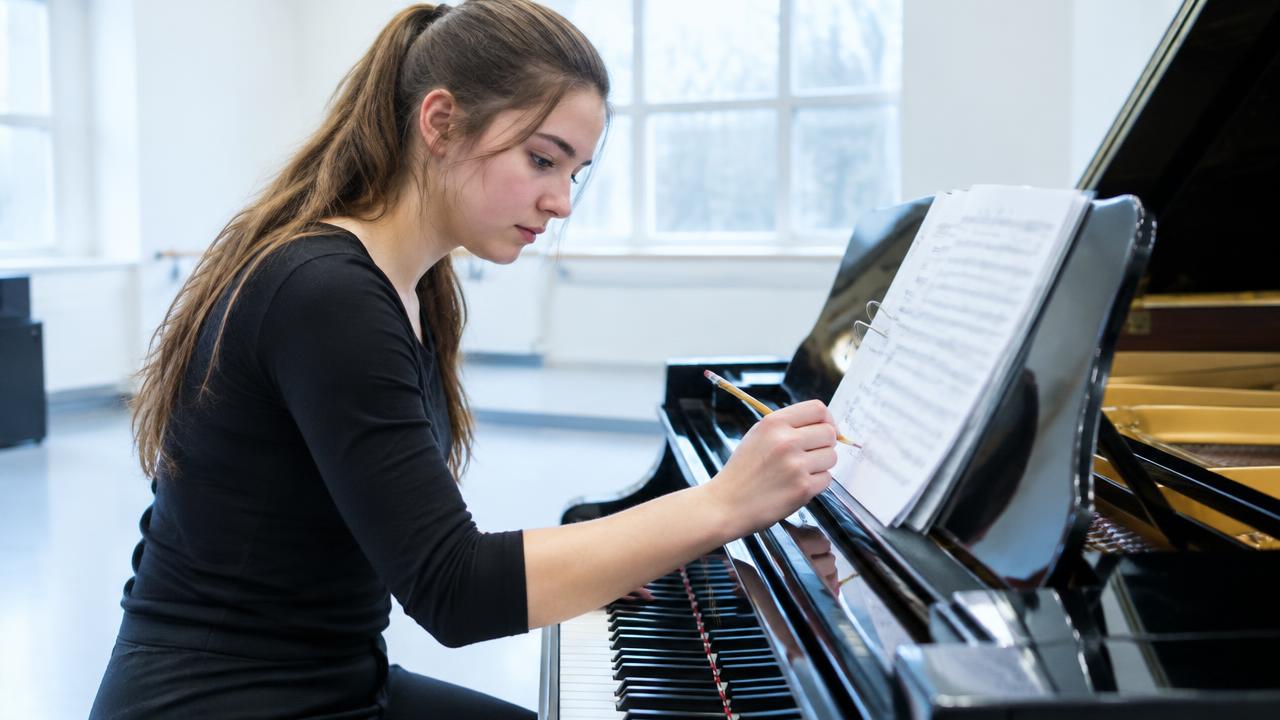
Short-notice auditions are part of musical theatre life. A call comes on Wednesday for a Friday slot, and the requested style is not in your book. When that happens, the temptation is to sing the new song as many times as possible. I suggest the opposite: fewer, more deliberate repetitions, a clear order of priorities, and a voice that arrives rested. Here is the two-day structure I use with students, whether we are working online or in person.
Should you learn a new song for an audition at short notice?
First, check your existing book. A song you already know, even if it is a slightly less perfect fit, is usually safer than a new one learned in two days. Adjust what you have before adding something new. If the breakdown asks for a specific style or era and nothing in your book is close, then a new song is justified, but choose one that sits in a comfortable part of your range.
I avoid songs whose climax lives at the very top of a singer’s voice when time is short. Under audition nerves, the reliable middle of the range carries the character better than a high note you have sung only a dozen times.
- Adapt existing repertoire first.
- Choose a new song only when the style demands it.
- Favor comfortable tessitura over showpiece notes.
Day one: learning the music accurately
Begin by reading and speaking the lyric, out loud, as a monologue. Know who you are talking to and what you want from them. Then learn the melody slowly with the score, checking rhythms and intervals against a reliable recording or accompaniment track rather than a cast album with stylistic liberties.
Sing in short blocks of ten to fifteen minutes with rest in between. Mark the high or loud passages at reduced volume until the notes and words are secure. Accuracy learned gently on day one is far easier to perform than a version you shouted into memory.
Day two: technique, acting, and the cut
On the second day, settle the cut and make clean markings in your sheet music for the accompanist: start, end, tempo, repeats, and any breath or fermata. Then work the difficult moments technically, choosing vowels and breaths that make the phrase easier. I often adjust a single vowel on a high note rather than asking for more power.
Finally, run the song as a performance two or three times, not twenty. Each run should have an acting objective and a clear beginning in silence. Record one run and watch it once, looking for tension in the face and shoulders rather than judging every note.
- Clean, clearly marked sheet music.
- Vowel and breath choices for hard phrases.
- Two or three full runs with an objective.
How to protect your voice before the audition
The evening before, stop singing early. Hydrate, eat normally, and sleep. On the day, warm up gently with semi-occluded exercises and a few easy scales, then sing through the trickiest phrase once at moderate volume. Avoid the urge to run the whole song repeatedly in the hallway.
If your voice is unwell, it is reasonable to ask the casting team whether you can submit a video or reschedule. A strained audition rarely helps, and casting teams generally prefer honesty to a voice pushed beyond its limits.
Working with a coach on short-notice auditions
When a student sends me a breakdown at short notice, I focus on decisions: which song, which cut, which technical choices for the hardest moment. That kind of focused session works well online, and it is how I can support young performers in Anaheim and the wider Orange County area preparing for school, community, and regional theatre auditions through online lessons.
The aim is not perfection in forty-eight hours. It is walking into the room with a song you understand, a voice that is rested, and a plan for the moment you feel nervous.
Juliana Polansky recommends: Keep one ready audition song in each style you are likely to be asked for. Revisit each once a month so a short-notice call becomes a choice rather than a scramble.
Preparing for auditions? Musical theatre vocal coaching

About the author
Juliana Polansky
Vocal coach specialising in classical technique and musical theatre, teaching private lessons online and in person by request in Southern California.
If you are working through similar vocal concerns, preparing for an audition, or have specific goals for your voice, you are warmly welcome to reach out — we can start with a private diagnostic consultation.