Online Coaching
Choosing a Vocal Coach: Online or In-Studio Lessons?
By Juliana Polansky · November 10, 2026 · 5 min read
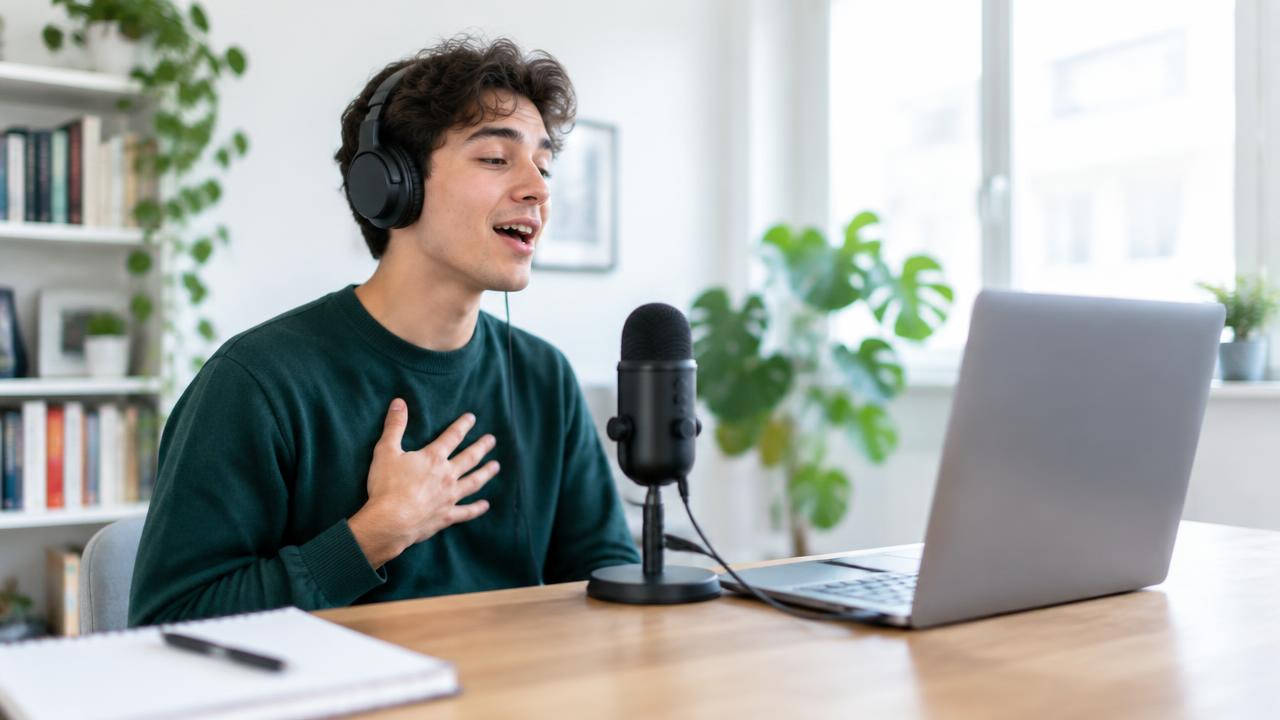
When people search for a vocal coach near them, they are usually solving two problems at once: finding someone qualified, and finding a format that fits their life. I think those decisions should be made in that order. A coach whose approach matches your goals will help you more online than a mismatched coach down the street. Once the fit is clear, the format question becomes practical. Here is what I suggest students look for, and how I help them decide between online voice lessons and in-studio sessions.
What should you look for in a vocal coach?
Start with the repertoire you want to sing. Classical technique, musical theatre, and contemporary styles share a physiological foundation, but they make different stylistic demands. Ask a prospective coach what kind of singers they work with most and what a typical first month looks like. A clear answer suggests a plan; a vague one suggests improvisation.
Then ask how they handle strain. I want students to know that if a sound hurts or a voice stays hoarse, we stop, adjust, and if necessary refer them to a medical voice specialist. A coach who treats discomfort as a sign of effort worth pushing through is not a safe choice, however impressive their résumé.
- Experience in the style you want to sing.
- A clear plan for the first lessons.
- A cautious, informed response to strain.
Do online voice lessons really work?
For most technical work, yes. I can hear onset, register transitions, vowel shape, and pitch stability over a good connection, and I can see posture, jaw, and breathing patterns on camera. What online lessons cannot do perfectly is convey the full acoustic size of a voice in a room. For that reason, I pay attention to microphone placement and ask students to keep a consistent setup.
Online voice lessons also have advantages people overlook. Students practice in the same space where they will practice alone, so what we build together transfers more directly. Recording is simple, and reviewing a recorded lesson often clarifies a point that felt fuzzy in the moment.
When is an in-studio lesson the better choice?
In-person work helps when we need to hear the voice in a larger acoustic space, prepare a piece with a live pianist, or work on stage movement with singing. It can also be reassuring for students who find the camera distracting at first. I offer in-person sessions by appointment in Southern California, including Pasadena and nearby areas, when the goal calls for it.
Many of my students combine formats: regular online lessons for consistent technique work, with an in-studio session before an audition or performance. That mix keeps the weekly rhythm practical while giving the voice an occasional reality check in a room.
How to set up your space for online singing lessons
Choose a room with soft furnishings rather than bare walls, which tend to produce echo. Place the camera so I can see you from the waist up, with your face clearly lit from the front. If you use headphones for accompaniment, keep one ear free so you can hear your own voice naturally.
Audio settings matter. Video platforms often apply noise suppression designed for speech, which can cut off sustained notes. I walk new students through turning on the original-sound or music mode during the first session, and I recommend a basic USB microphone for anyone planning regular lessons.
- Soft room, front lighting, waist-up framing.
- Original-sound or music mode turned on.
- One ear free when using headphones.
Making the decision without overthinking it
If you are unsure, I suggest starting with an assessment lesson. In that session I listen to how you sing now, ask what you want to change, and suggest a direction. The format question usually answers itself once we know the goal: steady technique building leans online, audition or performance preparation may benefit from some in-person time.
What I discourage is waiting for perfect conditions. A consistent format you can keep for three months will move your voice further than an ideal format you attend twice.
Juliana Polansky recommends: Before booking any lesson, write down three songs you want to sing and one thing about your voice that frustrates you. Bring that list. It makes the first session far more useful.
Compare formats and current rates: Online and in-studio lesson options
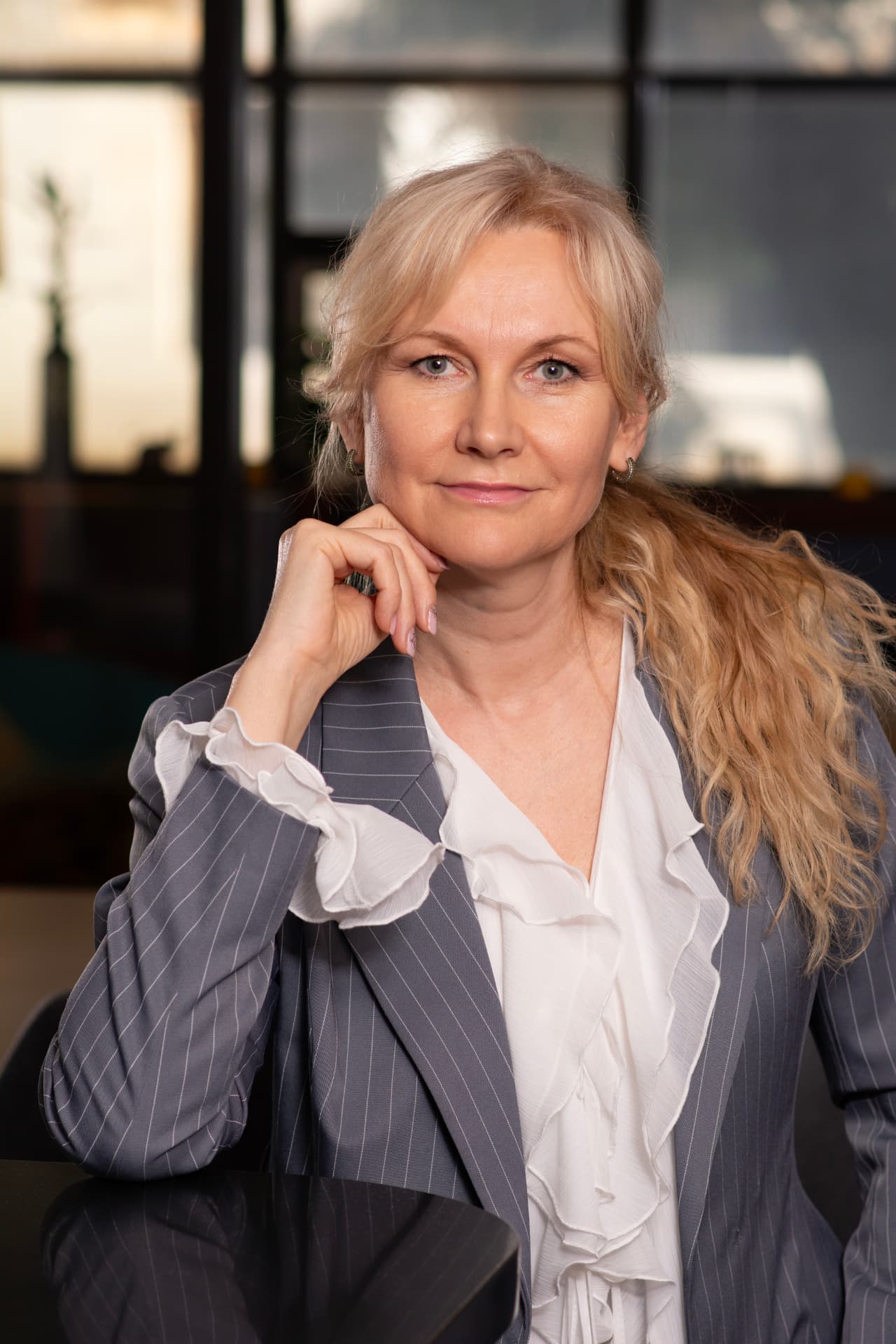
About the author
Juliana Polansky
Vocal coach specialising in classical technique and musical theatre, teaching private lessons online and in person by request in Southern California.
If you are working through similar vocal concerns, preparing for an audition, or have specific goals for your voice, you are warmly welcome to reach out — we can start with a private diagnostic consultation.